
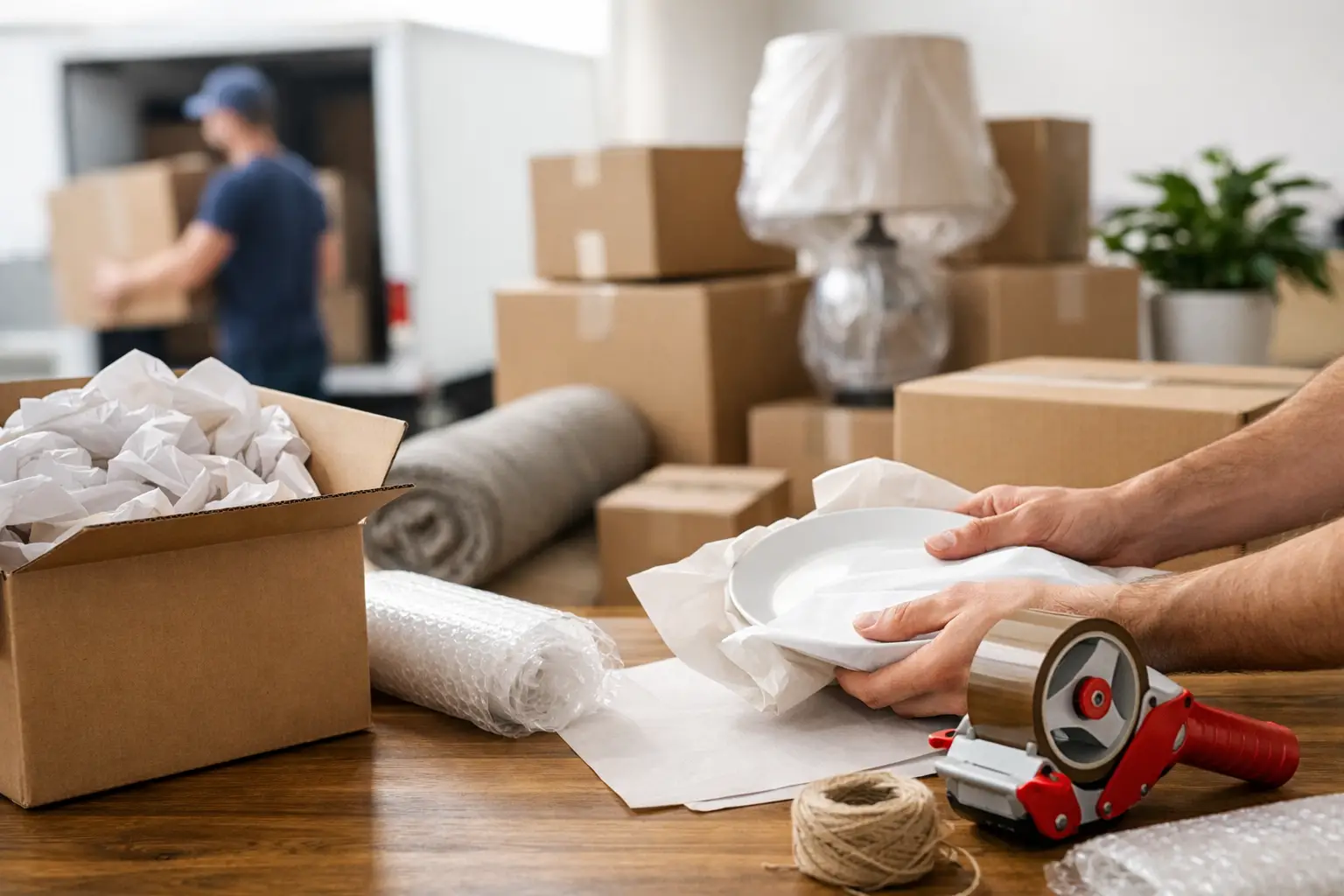
The trouble with moving day is that most problems start long before the van arrives. A split box, a missing kettle, a cracked lamp, screws that have vanished from the bed frame – these are usually packing issues, not removal issues. If you want to know how to pack for removals in a way that keeps the day calm, the answer is simple: pack early, pack methodically, and pack for lifting as much as transport.
Good packing does two jobs at once. It protects your belongings, and it makes loading, unloading and unpacking far quicker. That matters whether you are moving from a one-bed flat, relocating a family home, or shifting office equipment with a tight deadline.
How to pack for removals without creating extra stress
The biggest mistake people make is underestimating how long packing takes. One room done properly often takes far longer than expected, especially kitchens, lofts and home offices. Starting early gives you time to sort what is worth taking, what should go into storage, and what is better donated or disposed of before moving day.
Packing room by room usually works best. It keeps things organised and makes labelling clearer. It also stops the common problem of half-filled boxes containing a mix of bathroom items, books, toys and paperwork that all need to be unpacked in different places.
Before you pack anything, gather proper materials. Strong double-walled boxes, packing paper, bubble wrap, tape, labels and marker pens make a clear difference. Supermarket boxes can be useful for light items in some cases, but they are often inconsistent in size and strength. If a box cannot be stacked safely, it creates a problem in the van and in the property.
Start with a packing plan, not just empty boxes
A simple plan saves time later. Begin with the rooms and items you use least, such as seasonal clothes, books, decorative pieces and spare bedding. Leave daily essentials until the end. That way, your home remains functional while the packed rooms steadily build up.
Try to keep box sizes matched to item weight. Heavy items like books, tools and files should go in smaller boxes. Lighter belongings such as bedding, cushions and lampshades can go in larger ones. Overfilled large boxes are one of the main reasons bottoms drop out or boxes become awkward to carry through hallways and up stairs.
Label every box on the top and at least one side. The best labels include the destination room and a brief note on contents. “Kitchen – pans and baking trays” is more useful than “Kitchen”. If a box contains fragile items, mark it clearly, but do not rely on that alone. Fragile items still need proper internal protection.
Packing fragile items properly
Fragile belongings need to be wrapped individually, with empty spaces filled so nothing shifts in transit. Plates should be wrapped and packed vertically rather than stacked flat, because they are usually less likely to crack that way. Glasses and mugs should be cushioned inside and out, then placed snugly in a box with padding around them.
For ornaments, picture frames and electronics, the rule is much the same: protect edges, prevent movement, and avoid pressure from heavier items. Towels, blankets and clothing can help as extra cushioning for some pieces, although they should not replace proper wrapping for very delicate items.
It is worth being realistic here. Some items are difficult to pack safely without experience, especially large mirrors, artwork, televisions and awkward glass furniture. If something is expensive, sentimental or unusually shaped, professional packing support can be the safer option.
Furniture needs preparing, not just moving
People often think of packing as something that only applies to boxes, but furniture preparation matters just as much. Empty drawers where possible, especially if the item is large or heavy. Remove shelves from units if they can come loose. Take apart beds and tables if that makes transport safer or easier through tight spaces.
Keep all screws, bolts and fittings together in sealed bags, and tape or label them to the relevant item if practical. There is nothing helpful about arriving at your new property with three identical bags of fixings and no idea which belongs to which wardrobe.
Protect furniture surfaces with moving blankets, covers or padding. Sofas can pick up dirt surprisingly easily during a move, and wood can be scratched by repeated contact with door frames, banisters or stacked items in transit. Mattresses should be covered to keep them clean and dry.
How to pack kitchens, clothes and everyday essentials
Kitchens are usually the slowest room to pack because they contain a mix of fragile, heavy and awkward items. Start early here. Use smaller boxes for crockery, tins and appliances, and avoid mixing cleaning products with food items. If you are taking a fridge freezer or washing machine, make sure it is emptied, cleaned and prepared in good time.
Clothes can be packed in suitcases, boxes or wardrobe cartons depending on what you have available and how quickly you want to unpack. Folded clothes travel well in standard boxes or cases. Hanging clothes are faster to move in wardrobe boxes, but that depends on the size of the move and your budget.
Set aside one essentials box for the first night and morning. This should include chargers, toiletries, medication, kettle, mugs, tea or coffee, toilet roll, basic tools, important documents and a change of clothes. If you have children, include familiar toys or bedding. If you have pets, keep food, leads and any necessities separate and easy to reach.
What not to do when packing for a move
Packing quickly is not the same as packing well. Rushing often leads to mixed boxes, poor labelling and breakages. Another common mistake is using too much tape on weak boxes instead of using stronger boxes in the first place. Tape helps, but it does not turn a damaged box into a safe one.
Do not leave key paperwork loose. Tenancy documents, passports, contracts, school records and anything related to the move should be kept together in a clearly marked folder or bag that stays with you.
It is also best not to pack prohibited or risky items without checking first. Paints, certain chemicals, fuel and anything flammable may need separate handling or disposal before the move. If you are using a professional removals team, ask in advance rather than making assumptions on the day.
How to pack for removals when time is tight
Sometimes there is no perfect lead-up. Completion dates move, tenancy deadlines tighten, or an office move has to happen with very little notice. In those cases, prioritising matters more than perfection.
Start with breakables and non-essentials, then work through one room at a time. Keep pathways clear, build boxes by room, and label as you go rather than planning to sort labels later. “Later” on a rushed move usually means “never”, and that creates delays at the new property.
If time is genuinely short, bringing in professional help can save more than convenience. It can reduce damage, speed up loading and make the whole move easier to manage. A full-service removals team can also help with packing materials, furniture protection and storage if your move-in dates do not line up neatly.
When professional packing is worth it
There is a clear trade-off. Packing yourself can save money, but it takes time, effort and a fair amount of planning. Professional packing costs more, yet it often pays off for larger homes, long-distance moves, business relocations and households with lots of fragile or valuable items.
It can also be the better choice if you are balancing a move with work, childcare or a property chain that already feels uncertain. The value is not only in wrapping and boxing. It is in having the job done properly, on schedule, and in a way that supports a smoother loading process on moving day.
For many customers, that is the difference between a move feeling manageable and a move feeling overwhelming. Companies such as Cresswell Transportation see this every week – the better the packing, the simpler the move.
Final checks before moving day
Once everything is packed, walk through each room and check cupboards, loft spaces, sheds and under-bed storage. Defrost appliances if needed, charge your phone, keep keys accessible and make sure labelled boxes are easy to identify. If items are going into storage, mark those separately so nothing ends up in the wrong place.
A well-packed move is rarely about speed at the last minute. It is about small sensible decisions made early, from stronger boxes to clearer labels and better protection for the things you care about. Give yourself that structure, and moving day becomes far easier to handle.
Leave a Reply