
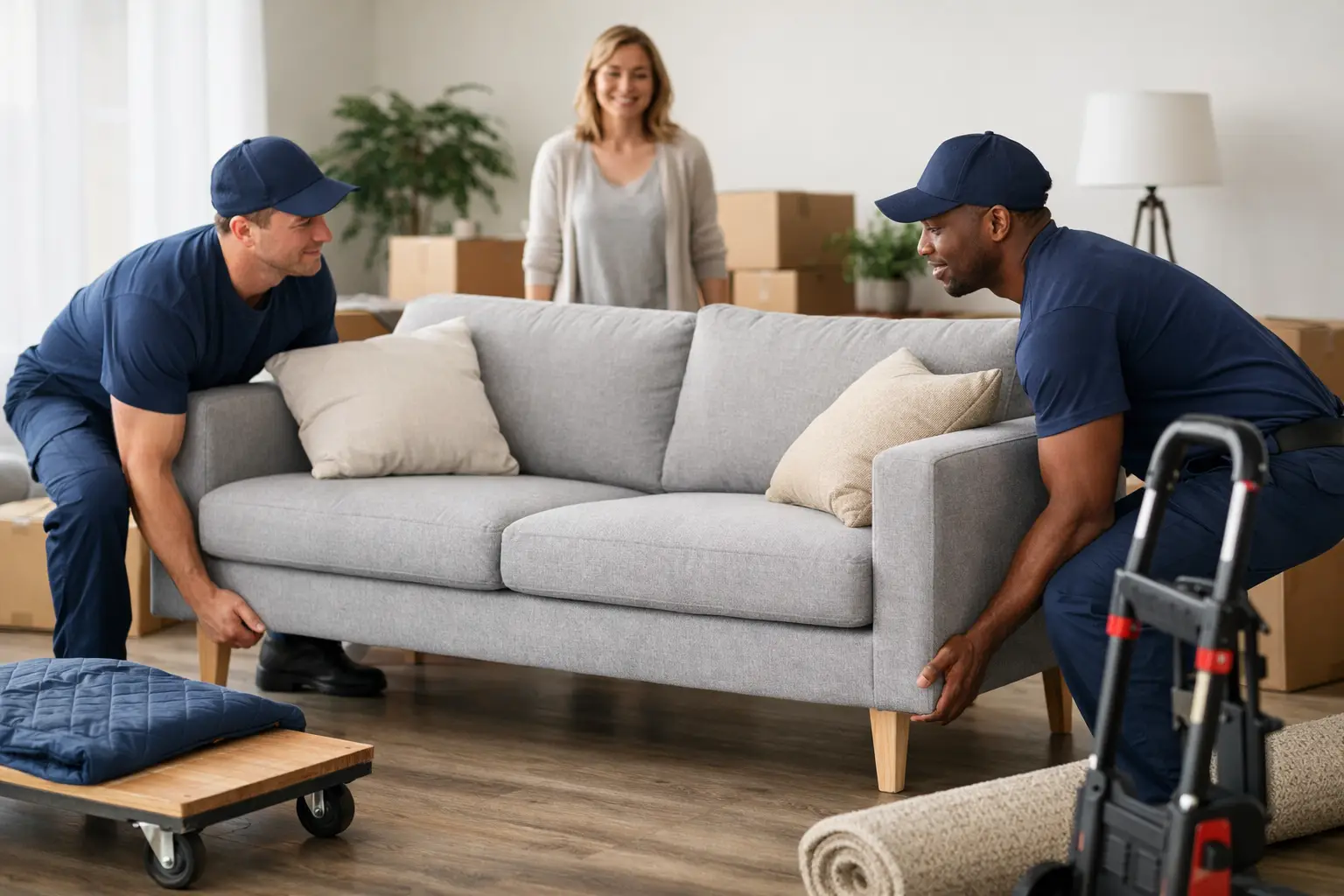
A sofa that will not clear the hallway, a wardrobe too heavy to lift safely and a moving day clock that keeps ticking can turn a straightforward move into a stressful one. The best way to move furniture is to plan the route, prepare every item properly and use the right level of help before anything is lifted. It protects your belongings, your property and, just as importantly, the people doing the work.
For a single armchair, careful preparation and a second pair of hands may be enough. For a full house move, valuable furniture or a long-distance relocation, a professional removals team can save considerable time, effort and risk. The right choice depends on the size of the job, access at each property and how much you are comfortable managing yourself.
Plan the best way to move furniture before moving day
Furniture is usually hardest to move when decisions are left until the last minute. Start by walking through your current property and noting every large or awkward item: beds, wardrobes, dining tables, sofas, bookcases, appliances and garden furniture. Then consider where each piece will go at the new address. There is little benefit in carrying a heavy unit upstairs if it is later coming straight back down.
Measure the furniture, then measure doorways, corridors, staircases, lifts and tight turns. Include skirting boards, handrails and low ceilings in your checks. A piece may fit through a doorway when standing upright but not when wrapped, so allow a little extra room.
Also check practical access outside. Is there parking close to the entrance? Are there steps, narrow gates, permit restrictions or a long walk from the vehicle? Tell your removals provider about these details in advance. Good information helps the team arrive with the appropriate vehicle, equipment and number of movers.
Decide what to move, dismantle or leave behind
Moving less is often the safest and most affordable option. Before packing, decide whether worn, oversized or unsuitable furniture is worth taking to the new property. This is particularly useful when downsizing, moving into a furnished flat or changing office premises.
Items that are large but designed to come apart should normally be dismantled. Bed frames, dining tables, wardrobes and modular shelving are easier to manoeuvre in separate sections. Keep screws, bolts, brackets and fittings in labelled bags, then tape the bag securely to the relevant item or place it in a clearly marked essentials box.
Do not force dismantling if you are unsure how the item was assembled, especially with antique furniture, fitted units or pieces with fragile mechanisms. Taking the wrong panel off can create damage that costs more to repair than professional handling would have cost in the first place.
Prepare furniture for safe handling
Empty drawers, cupboards and shelves before lifting. Books, kitchenware and paperwork add surprising weight, while loose contents can shift and damage the furniture during transport. Remove detachable legs, shelves, glass panels and cushions where possible.
Protect corners and surfaces with removal blankets, padded covers or strong wrapping. Secure doors and drawers closed without placing tape directly on finished wood, painted surfaces or delicate veneers. If an item has glass, mirrors or marble, make this clear to anyone helping with the move. These pieces need extra protection and should never be treated as ordinary household furniture.
Take photographs of valuable or existing damaged items before moving them. It is a sensible record for your own peace of mind, particularly when furniture is going into storage or travelling a long distance.
Lift furniture safely, not quickly
Most moving injuries happen when people rush, twist while carrying weight or try to lift more than they can control. Heavy furniture is not a test of strength. It is a job that needs clear communication, balance and the right equipment.
Before lifting, agree who is leading the move and which direction the item is travelling. Clear the route fully, including rugs, cables, children’s toys and boxes. Open doors and secure them so they cannot swing back into the path.
Keep the load close to your body, bend your knees and lift with your legs rather than your back. Avoid twisting – turn with your feet instead. If the furniture is too heavy, too bulky or too awkward for a safe grip, stop. A furniture dolly, stair climber, lifting straps or a professional team is the better solution.
Two people should not attempt to carry a large item simply because it looks manageable. A sofa can be light enough to lift but difficult to control on stairs. A solid wood chest may be compact but exceptionally heavy. The challenge is not only the weight – it is visibility, balance, access and the risk of trapping fingers against walls or door frames.
Load the vehicle in the right order
A well-loaded removals vehicle keeps items stable and makes unloading less chaotic. Place the largest, heaviest furniture against the front and sides of the load area, keeping the weight balanced. Mattresses, sofas and large flat panels can help create a protective barrier around other items when secured correctly.
Use blankets between furniture pieces and straps to prevent movement in transit. Do not stack heavy boxes on tables, chairs or upholstered items. Keep fragile pieces upright where required, and make sure nothing can slide when the vehicle brakes or turns.
If you are hiring a van yourself, allow more space than you think you need. Overfilling a vehicle can lead to damaged furniture, poor visibility and unsafe unloading. It can also mean several rushed attempts to make everything fit, which is exactly when scuffs, breakages and injuries happen.
For moves involving several rooms, label furniture or create a simple room plan. This makes it easier to place each item directly in the right room at the new property, rather than turning the hallway into a temporary storage area.
When professional removals are the best option
There is a real difference between moving a small item locally and relocating the contents of a home or business. Professional movers are especially worthwhile when access is difficult, furniture is valuable, there are multiple flights of stairs, or the move needs to run to a fixed timetable.
A dependable removals service brings trained labour, suitable vehicles, protective materials and handling equipment together. It also gives you a clear point of contact if plans change. For offices, this matters even more: desks, filing cabinets, IT equipment and stock need moving in an organised order so disruption is kept to a minimum.
Cresswell Transportation provides insured residential and commercial removals, with packing support, storage options and flexible scheduling for local and nationwide moves. This can be particularly useful where collection and delivery dates do not line up, or where you need furniture stored securely before it reaches its final destination.
Professional help does not have to mean handing over every task. Some customers pack smaller belongings themselves and book experienced movers for the heavy furniture, loading and transport. Others prefer a full-service move with packing materials and labour included. The best option is the one that keeps the day safe, manageable and within your budget.
Set up the new property without creating more work
At the new address, protect floors and walls before bringing in bulky items. Decide where the largest furniture will sit first, especially beds, wardrobes and sofas. Once these are in place, smaller boxes and accessories can be unpacked around them.
Avoid assembling everything immediately if you are tired after a long move. Build beds first, make sure essential seating is usable and leave non-urgent furniture until you have rested and checked the room layout properly. A calmer start makes it far less likely that you will damage a wall, lose fittings or decide to move a heavy item twice.
The best moving days are rarely the fastest ones. They are the days where access is checked, furniture is protected, lifting is controlled and the right people are on hand when the job calls for them. Give yourself that margin, and your furniture can arrive safely ready for the next chapter.
Leave a Reply